Programs

Programmes.

Programmes in rural communities across Abuja, Kaduna, Nasarawa, and Niger States.

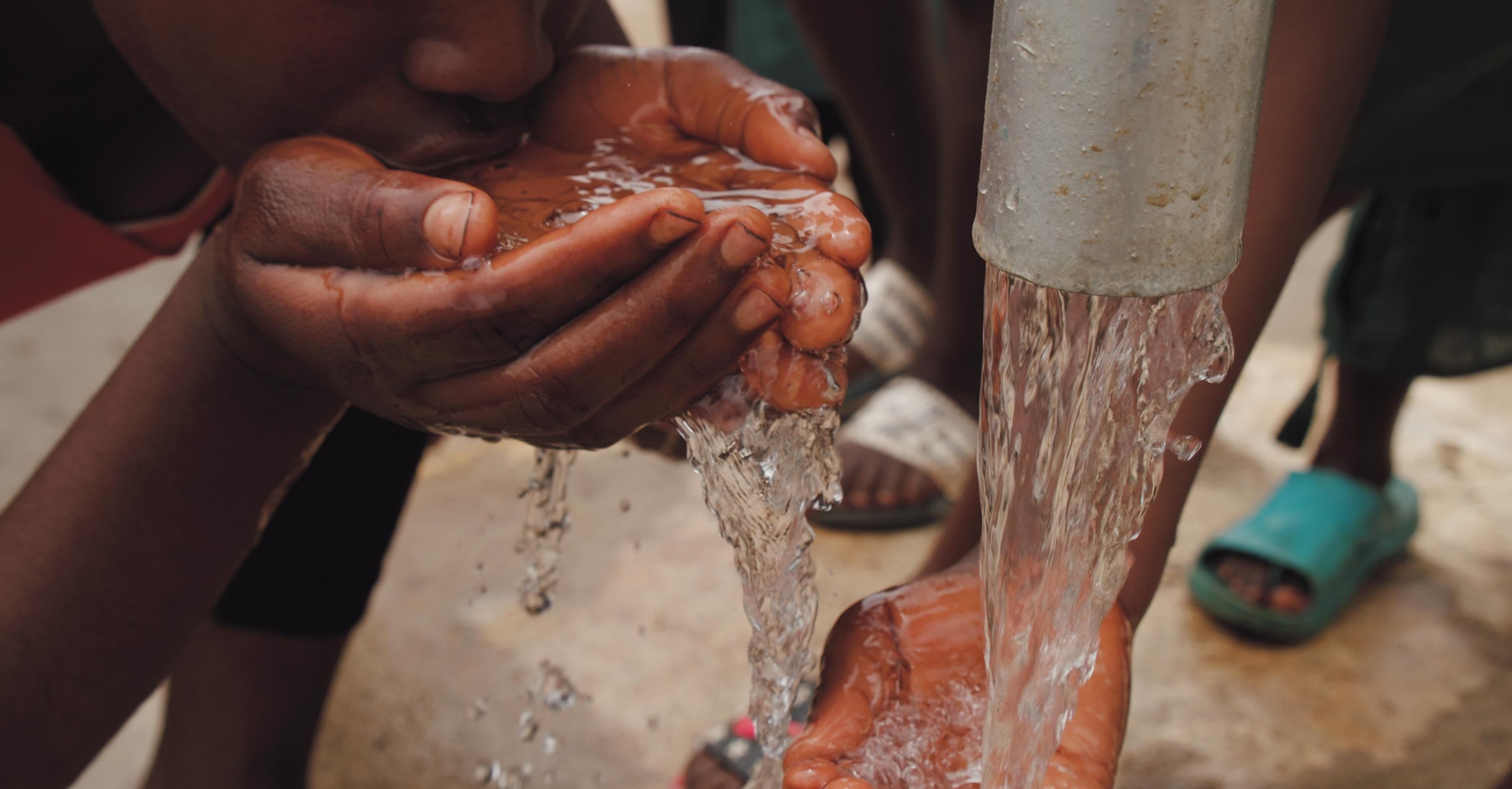
Child drinking clean water from cupped hands at a communal tap

W

Water

Who it serves
Rural households, especially women and girls who carry most of the daily water burden.
What we deliver
Solar-powered boreholes and community WASH (Water, Sanitation, and Hygiene) committees responsible for operation and upkeep.
Why it matters
Distant or unsafe water increases illness risk and costs women and girls hours each day.
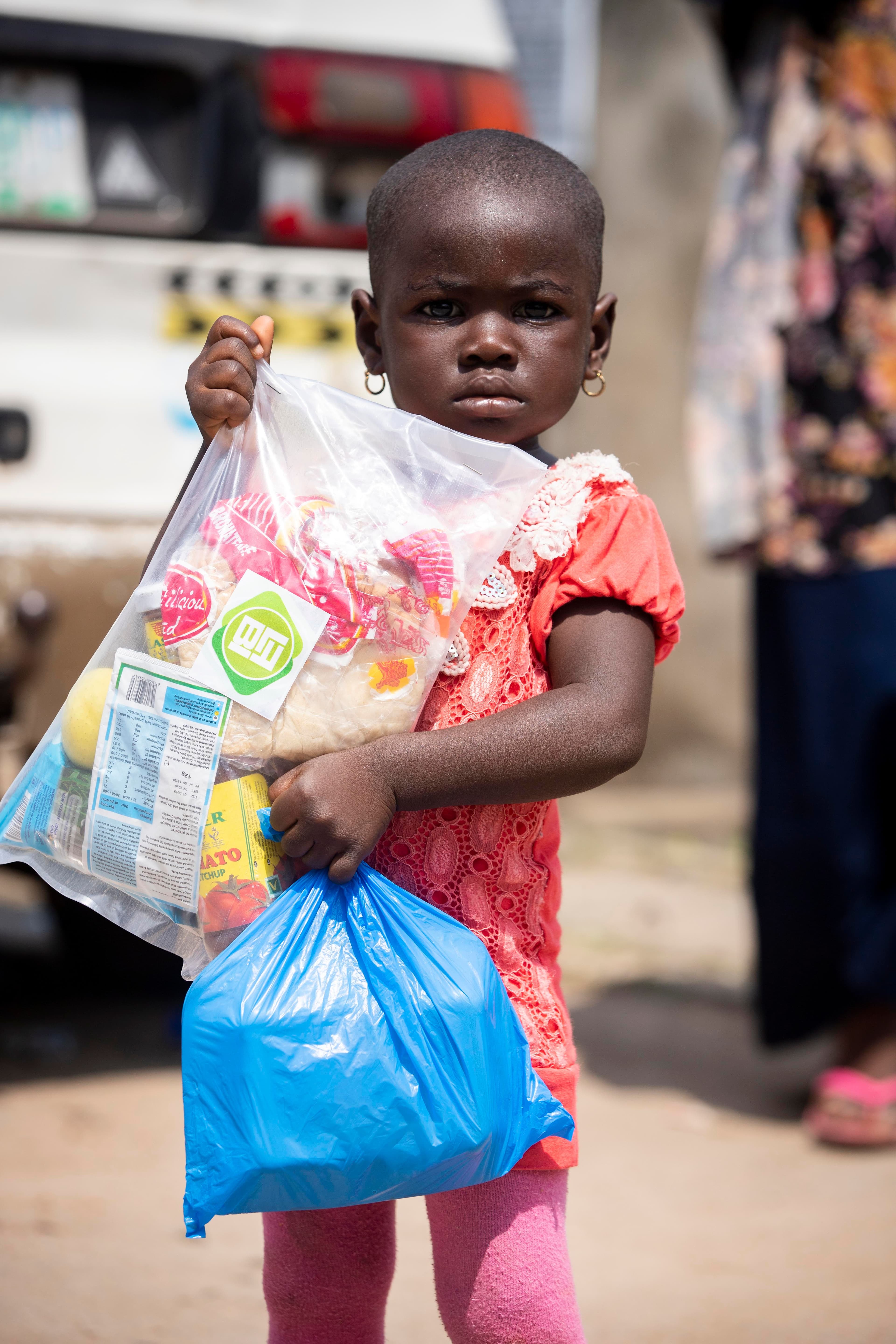
Young child holding bags of food support

H

Health and hygiene

Who it serves
Secondary school girls affected by period poverty, and children at risk of or affected by under-nutrition and NOMA.
What we deliver
Dignity Spaces, quarterly sanitary pads, and menstrual health education in secondary schools. Nutrition support through MUAC (Mid-Upper Arm Circumference) screening at primary health centres, and provision of superfoods (RUTF, Ready-to-Use Therapeutic Food) for children who need them, including those affected by NOMA, to help stop further growth of the disease.
Why it matters
Period poverty keeps girls out of class. Under-nutrition and NOMA require early screening and sustained nutrition support through local health services.
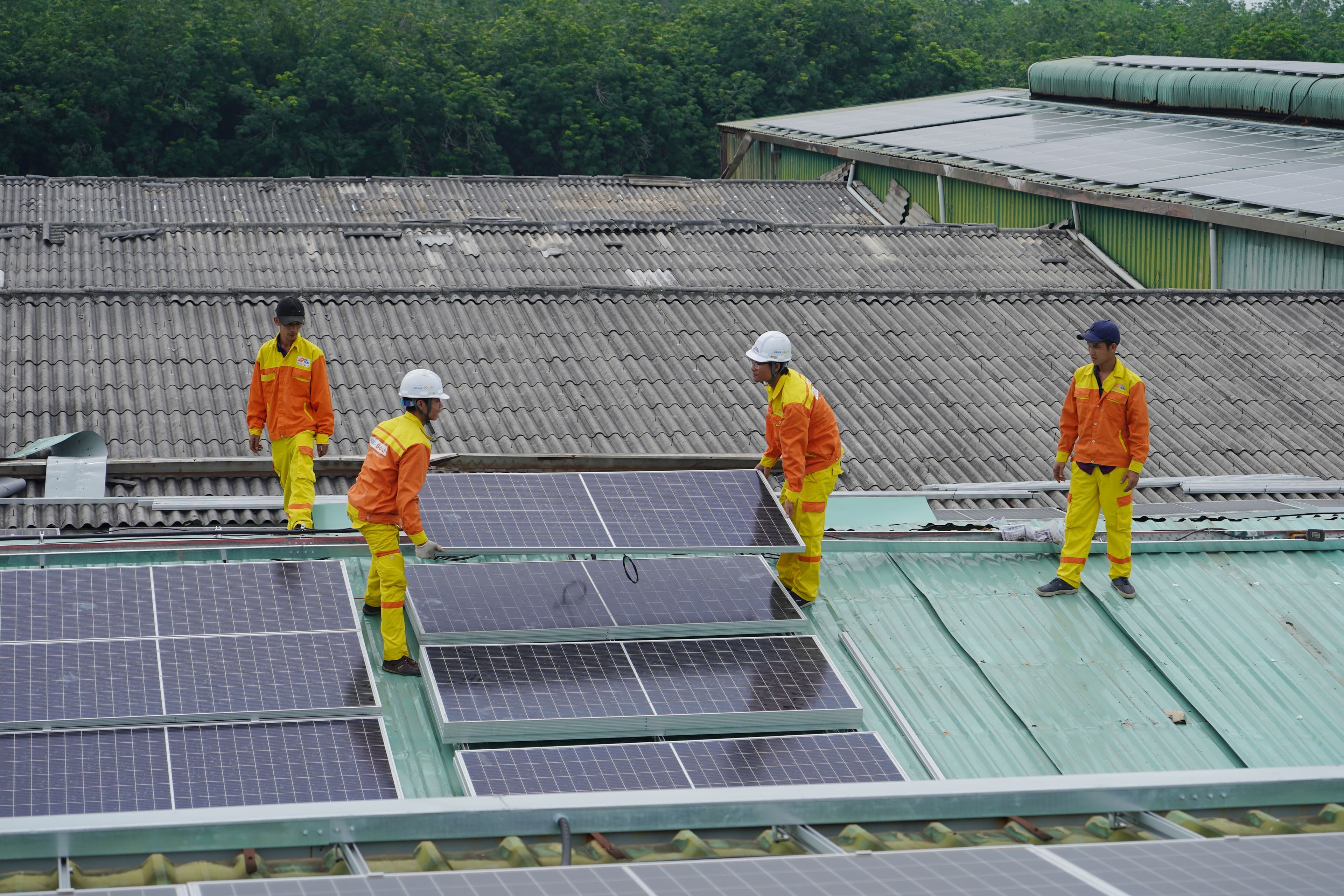
Workers installing solar panels on a rooftop

E

Energy

Who it serves
Community hubs, primary health centres, and rural household clusters without reliable power.
What we deliver
1.5–3 kVA solar Battery Energy Storage Systems (BESS) for hubs, health centres, and household clusters.
Why it matters
Without reliable power, clinics and community spaces lose capacity after dark, and children lack light for evening study.
Primary-school pupil studying with books at a desk

E

Education

Who it serves
Pupils and teachers in under-resourced public primary schools, and top-performing pupils whose families face financial barriers to staying in school.
What we deliver
Mini-libraries with curriculum-approved books and low-bandwidth solar-powered internet hubs. Tuition sponsorship for up to 50 pupils a year, selected by teachers and community elders on merit.
Why it matters
Many public primary schools lack books, learning spaces, and basic connectivity. School costs push capable pupils out of education.

How we work

Each programme follows the same four delivery phases.

  1. 01

    Community entry and co-design

    Work with traditional rulers, local leaders, and women’s groups to map needs before delivery starts.

  2. 02

    Procurement and installation

    Source materials suited to the region, including solar systems, school stock, and nutrition supplies.

  3. 03

    Capacity building

    Train local WASH (Water, Sanitation, and Hygiene) committees and school management boards to operate and maintain installed assets.

  4. 04

    Monitoring and handover

    Hand day-to-day management to the community over time, while 910DF retains oversight.